 Call
CallVideo Conference With Your Surgeon
Once you reach out to us, we arrange an online video conference with Dr. Altoparlak to figure out the best possible treatment and to make sure every decision we make is based on what is right for you.
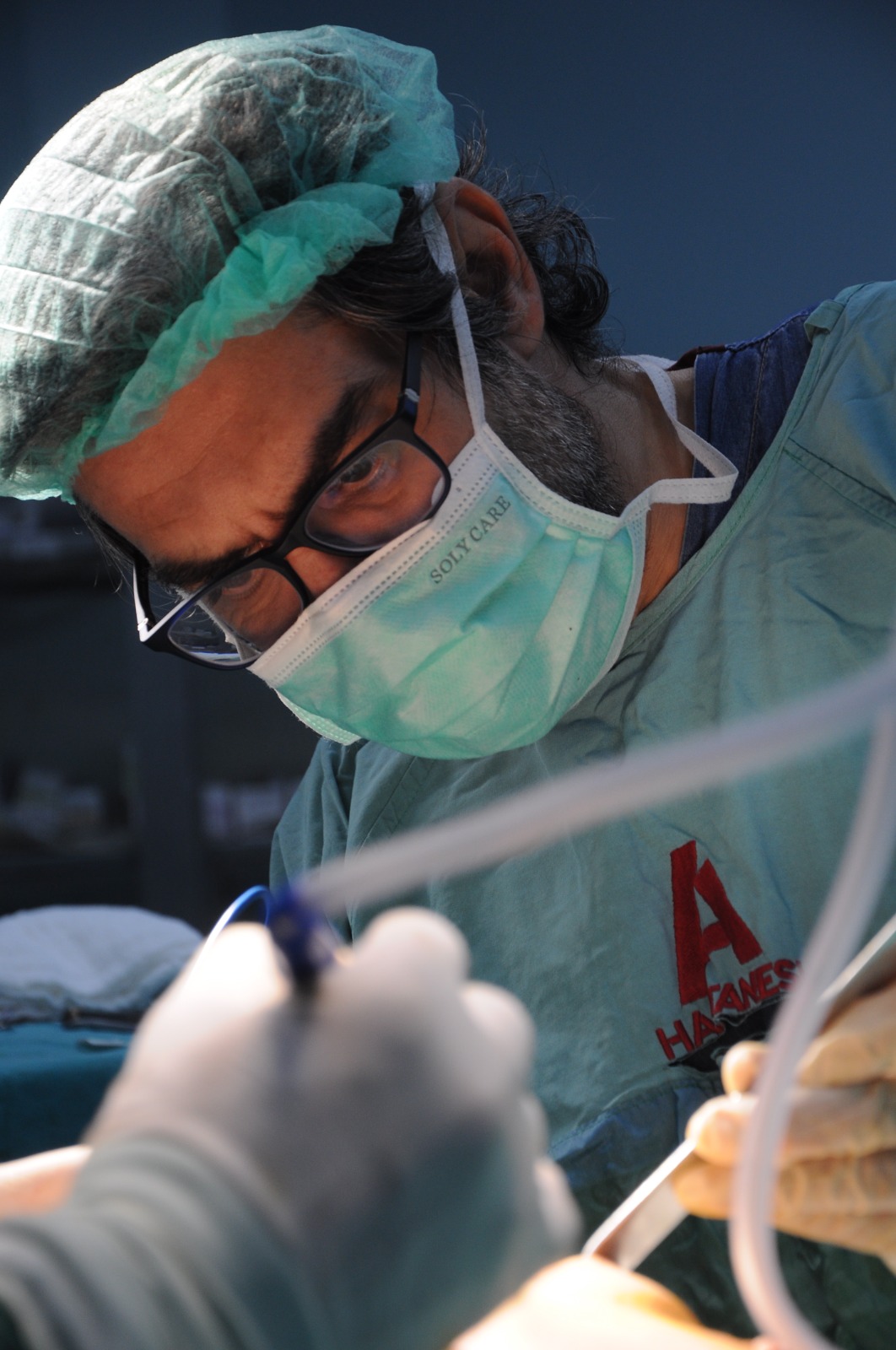
I'm Assoc. Dr. Prof. Atacan Emre Koçman, a plastic, reconstructive and aesthetic surgery specialist. I have been serving in the field of plastic, reconstructive and aesthetic surgery for 16 years after my 6 years of assistantship. Not only in the field of aesthetics, I also perform reconstruction surgeries that we offer as repair surgeries. After graduating from Ege University in 2000, I worked as an assistant in the Department of Plastic, Reconstructive and Aesthetic Surgery at Eskişehir Osmangazi University, Faculty of Medicine for 6 years. During my assistantship, I also went abroad for various trainings. I worked in various cities and health institutions to do my compulsory service and military service. For 2 years, I worked as both the manager and plastic surgery specialist of a hospital in Kazakhstan abroad. I started my academic life in 2012. I continued my academic life until 2021. Since 2021, I continue to serve my patients in my private clinic and an examination.
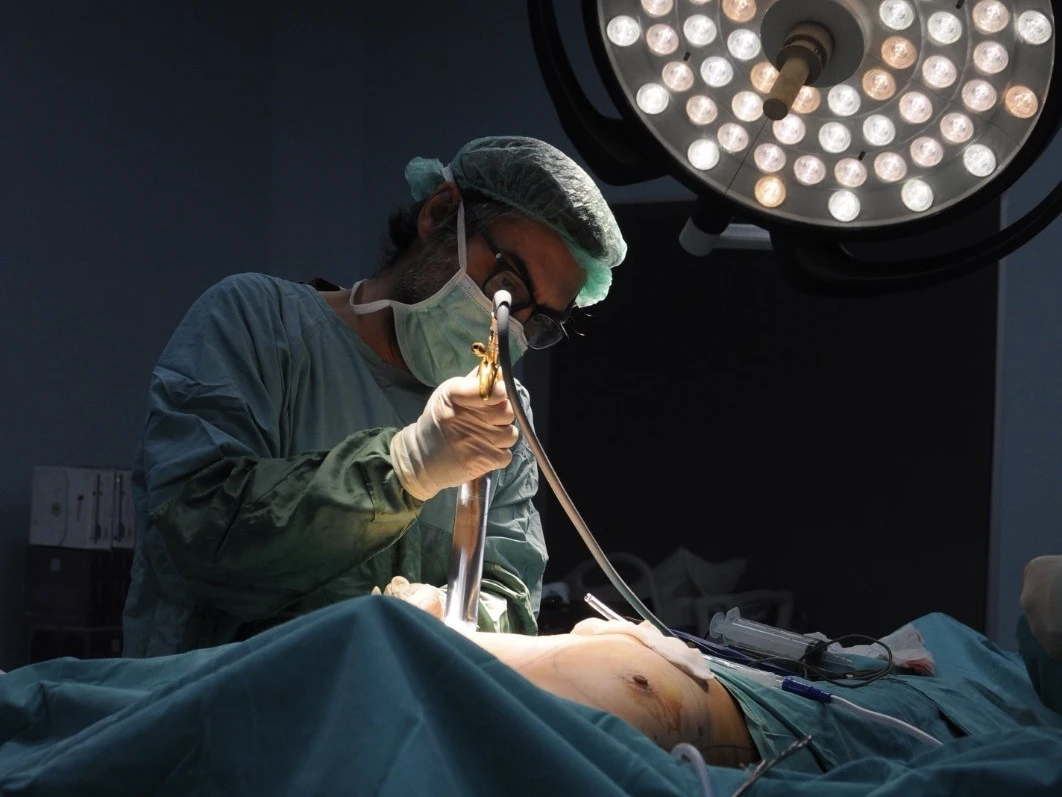
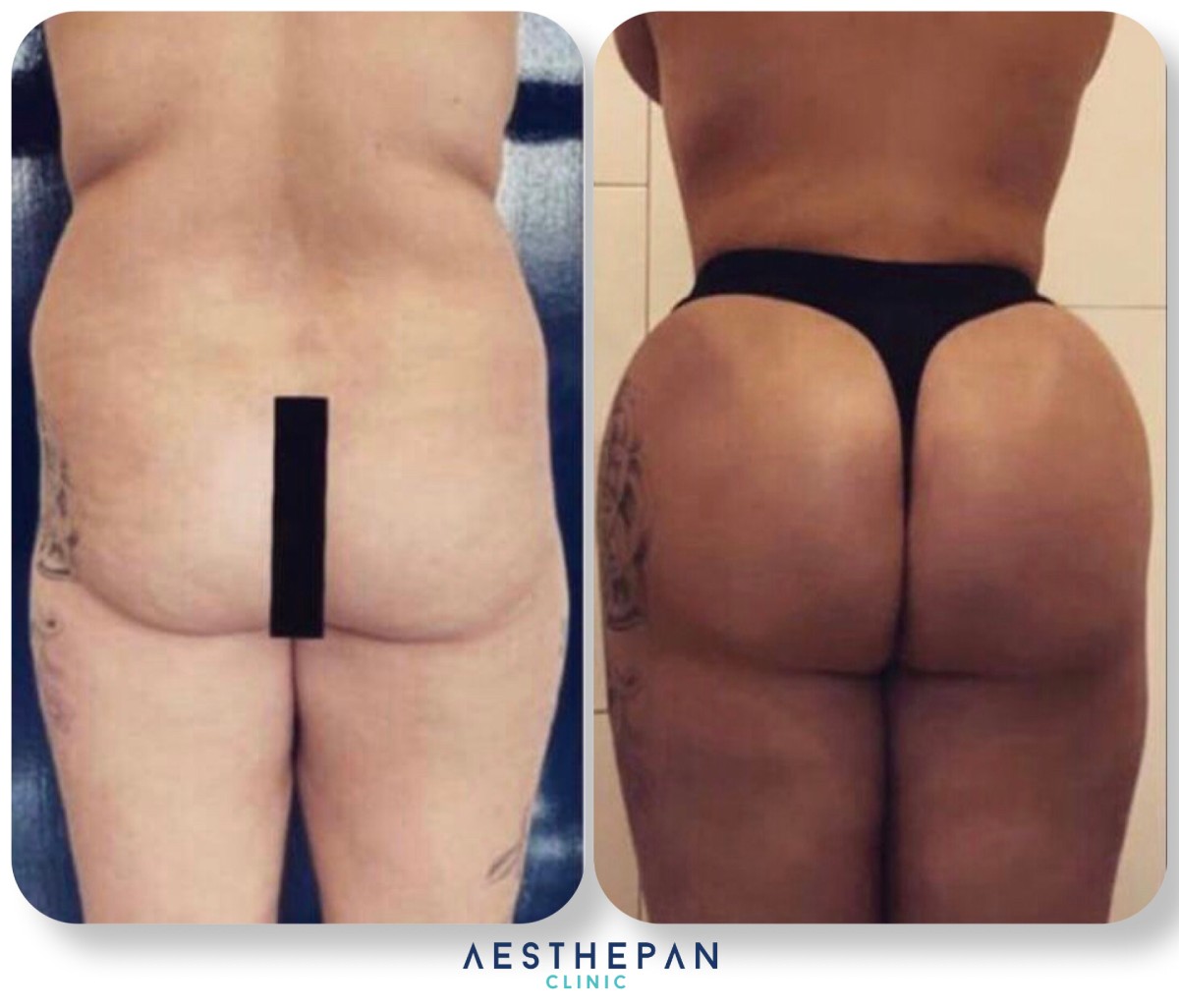
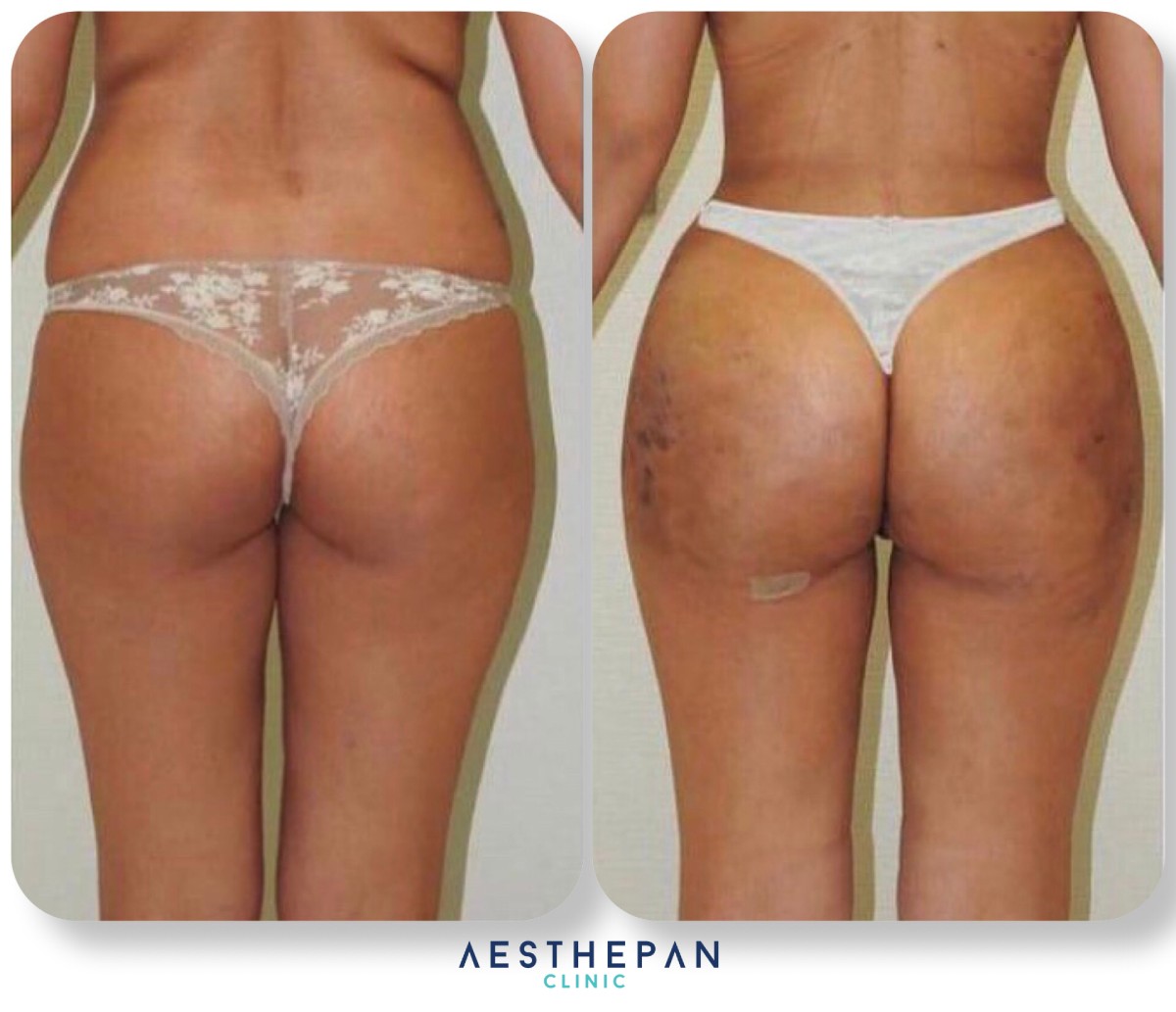
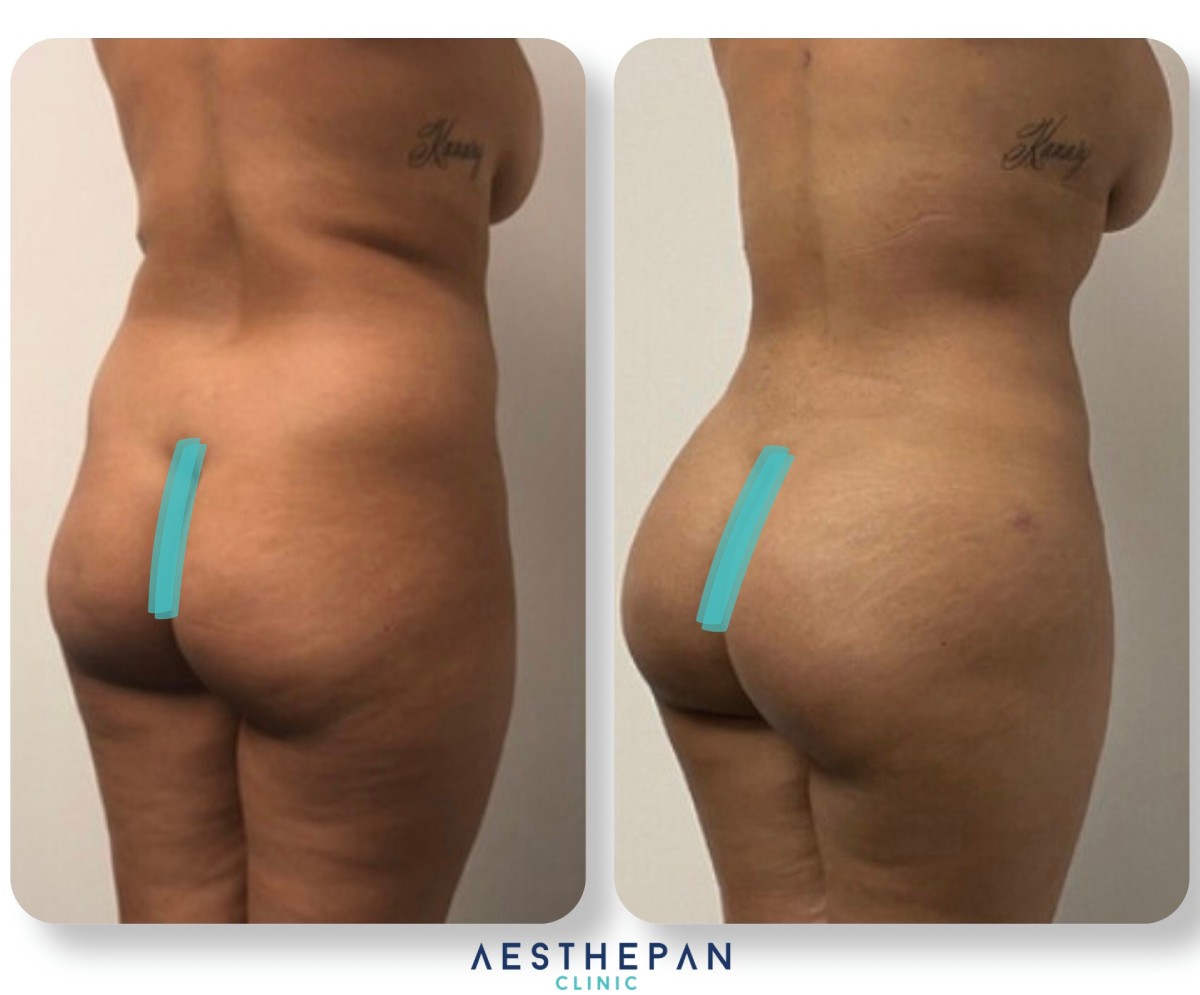
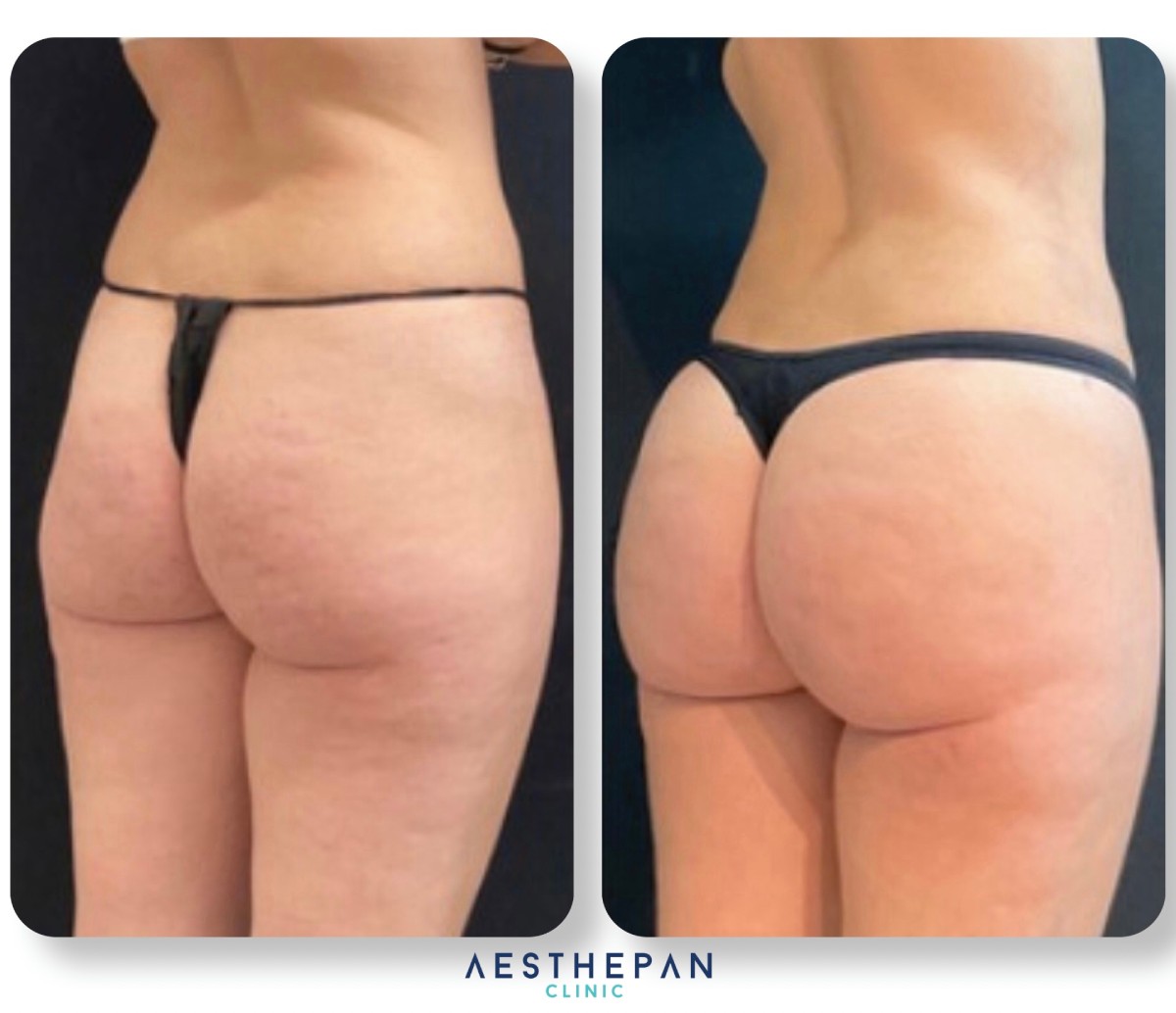
Lucky are those who can get their body into perfect shape with exercise and a healthy diet. But it’s not uncommon for people to struggle with fat deposits that refuse to go away despite all measures. Liposuction is a cosmetic procedure used to remove unwanted body fat. It involves sucking out small areas of fat that are hard to lose through exercise and a healthy diet. It's carried out on areas of the body where deposits of fat tend to collect, such as the buttocks, hips, thighs and tummy.
 Average Length of Stay in Turkey: 5-6
Night
Average Length of Stay in Turkey: 5-6
Night
 Anesthesia: General Anesthesia
 Recovery Duration: 1-2 Weeks
 Length of Stay in Hospital: 1 Night
 Operation Duration: 1-3 Hours
Who Is a Good Candidate for Liposuction?
Candidates for liposuction are typically women or men who wish to remove superficial fat from one or more areas of the body. Common areas targeted with liposuction include the abdomen, flanks (love handles), hips, lower back, buttocks, thighs, knees, upper arms, neck, and chin. Some men may also choose liposuction to reduce fat on the chest. Ideal candidates are already at or near their ideal weight, have good skin elasticity, and wish to use liposuction as a means of addressing problem areas that have proven difficult to target with exercise. Candidates should also be in good overall health, avoid smoking for several weeks (both before and after the procedure), and have realistic expectations about the results liposuction can accomplish.
What Is Liposuction Recovery Like?
Power-assisted liposuction (PAL) is considered to be a gentler approach than traditional liposuction techniques which require the surgeon to manually break up fat cells with vigorous physical effort. The traditional technique tends to damage surrounding tissue and can sometimes create significant blood loss. With PAL there is typically less swelling and bruising, which helps reduce the recovery time. The degree of post-operative pain following liposuction tends to vary from patient to patient—while some individuals find their discomfort to be significant, many are able to return to normal activities quickly.
Is Liposuction Safe?
When liposuction is performed by an experienced plastic surgeon utilizing advanced technologies and careful, precise surgical techniques, the safety of the procedure can be maximized. While there are risks involved with any type of surgery, Dr. Kocman takes many precautions to reduce those risks. In addition to the extensive skills and training he has acquired for liposuction procedures and the fact that he has successfully performed these treatments many times, Dr. Kocman typically utilizes a state-of-the-art, power-assisted liposuction technique that can enhance safety even further. We encourage you to ask any questions you may have about the measures Dr. Kocman takes to provide the safest liposuction procedure possible.
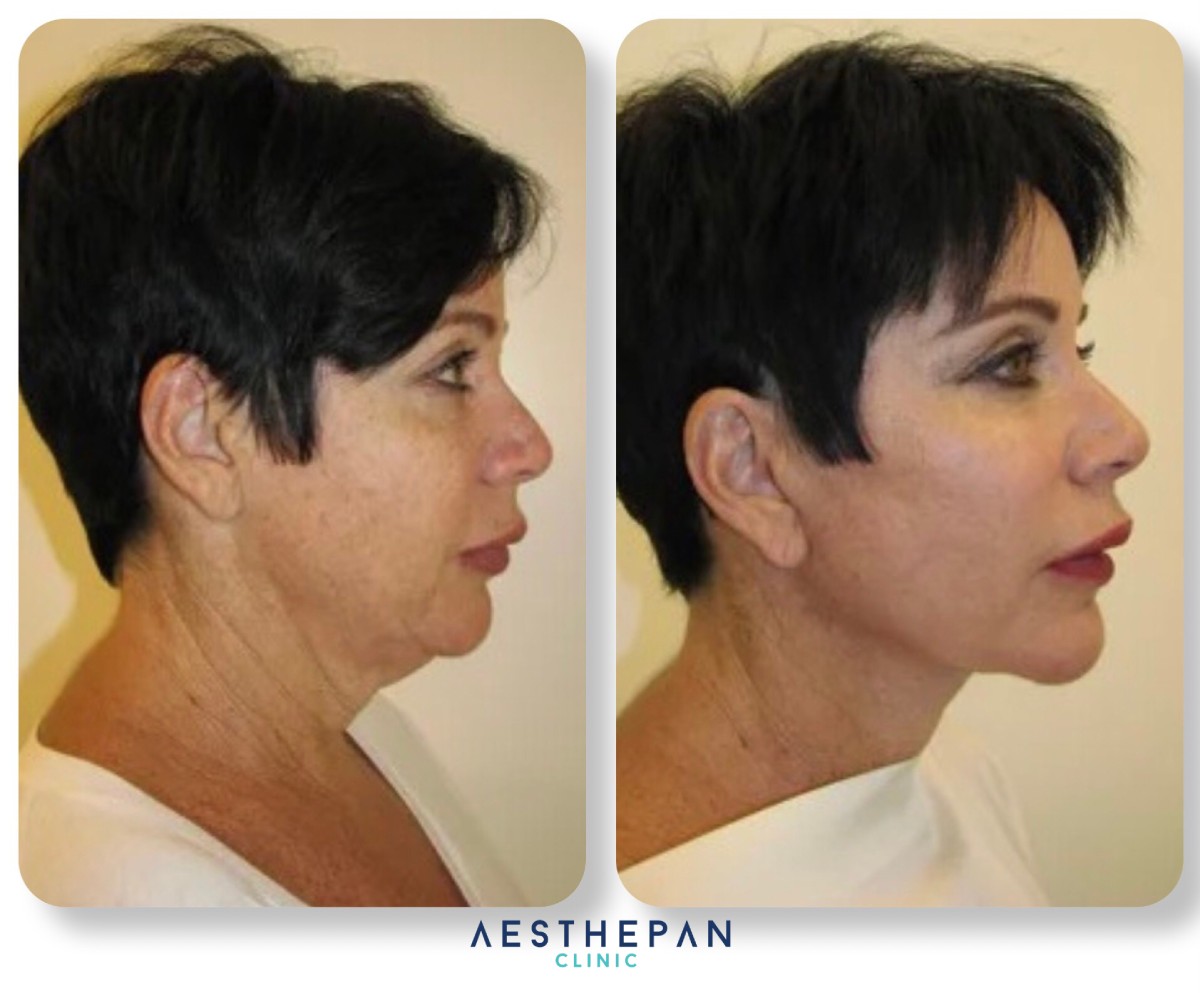
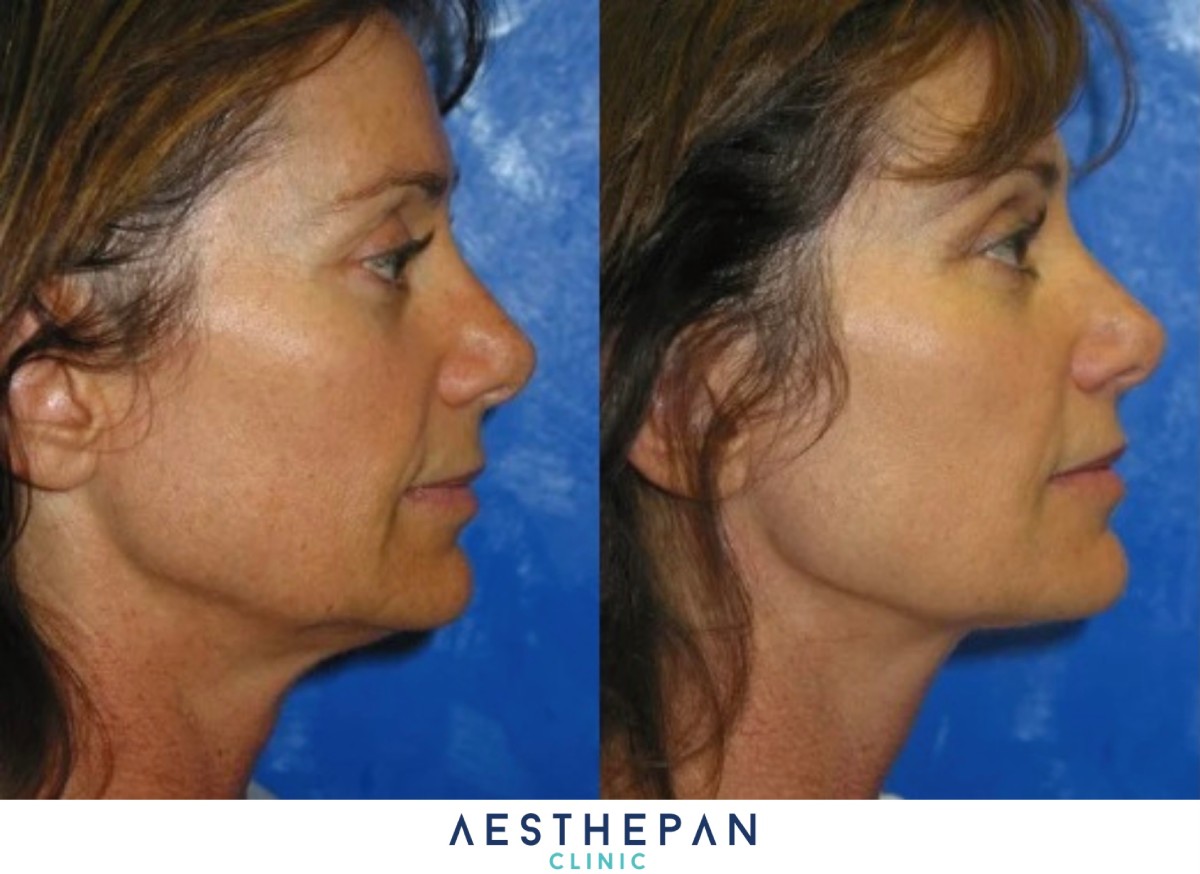
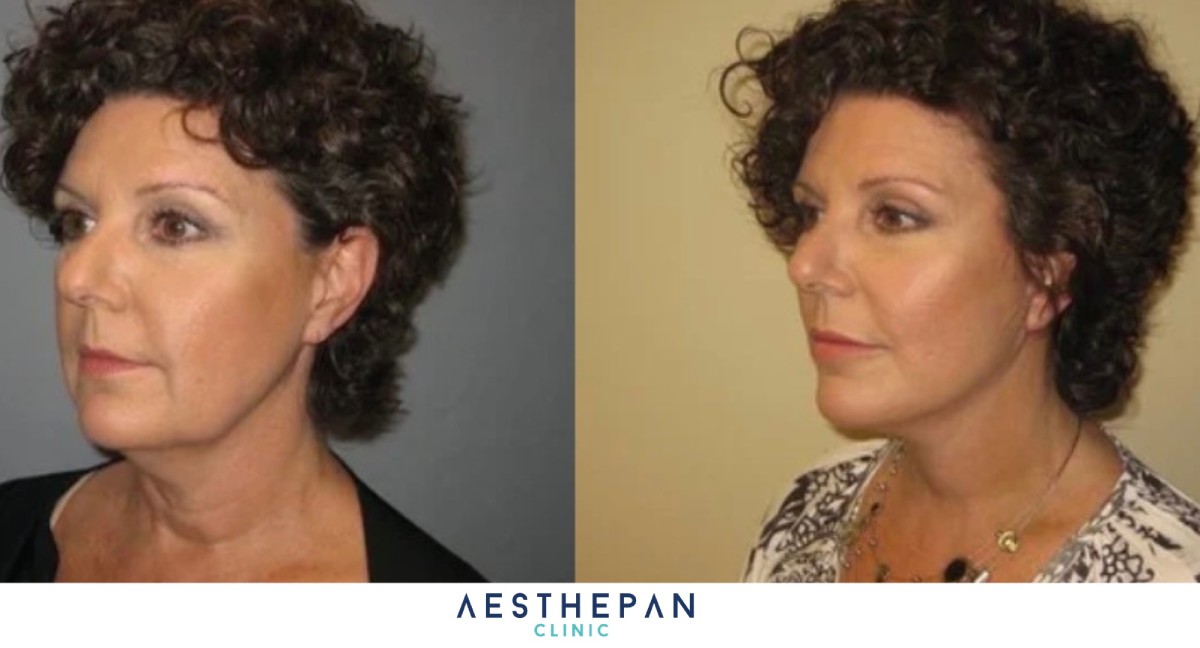
A facelift is cosmetic surgery to lift up and pull back the skin to make the face tighter and smoother. The procedure is designed to reduce flabby or sagging skin around the lower half of the face (mainly the jowls) and neck. There are multiple surgical techniques and exercise routines. Facelifts are considered cosmetic restorative surgeries and cannot fundamentally change your appearance or stop the aging process. They also can’t treat superficial wrinkles, sun damage or irregularities in your skin color. Facelifts are very individualized surgeries that are unique to each person’s face and their result goals.
Average Length of Stay in Turkey: 6-7
Night
Anesthesia: General Anesthesia
Recovery Duration: 14 Days
Length of Stay in Hospital: 1 Night
Operation Duration: 2-4 Hours
Who is a Facelift Candidate?
In order to be a good candidate for facelift surgery, one must be in good overall health and capable of healing properly after the procedure. Facelift surgery is often the right choice for men and women who display one or many of the following characteristics of facial aging: Sagging cheeks, jowls along the jawline, facial skin laxity, muscular bands along the neck and loss of jawline definition.
What is Recovery after Facelift Surgery Like?
Dr. Kocman’s patients typically go home shortly after the procedure, where they are most likely to get good rest and attention. He advises patients to set up a recovery area prior to surgery with all of the things they will need. Keeping the head elevated and applying ice at the appropriate intervals is key. Most patients find that having a friend or family member close by for assistance is very helpful in the first few days. Most patients report little pain after the procedure and are often taking only over-the-counter pain medication within one or two days.
What Will My Facelift Scars Look Like?
Dr. Kocman’s experience and expertise in facelift surgery, along with the less-invasive techniques he often uses, enable him to minimize visible scarring. The majority of Dr. Kocman’s patients find that scar visibility is not a problem since their incisions were well-placed to blend within the hairline and other easily concealed/camouflaged areas. At first the incisions may appear more reddish and raised, but as they heal further and the scar tissue matures, their coloration generally fades and texture flattens.
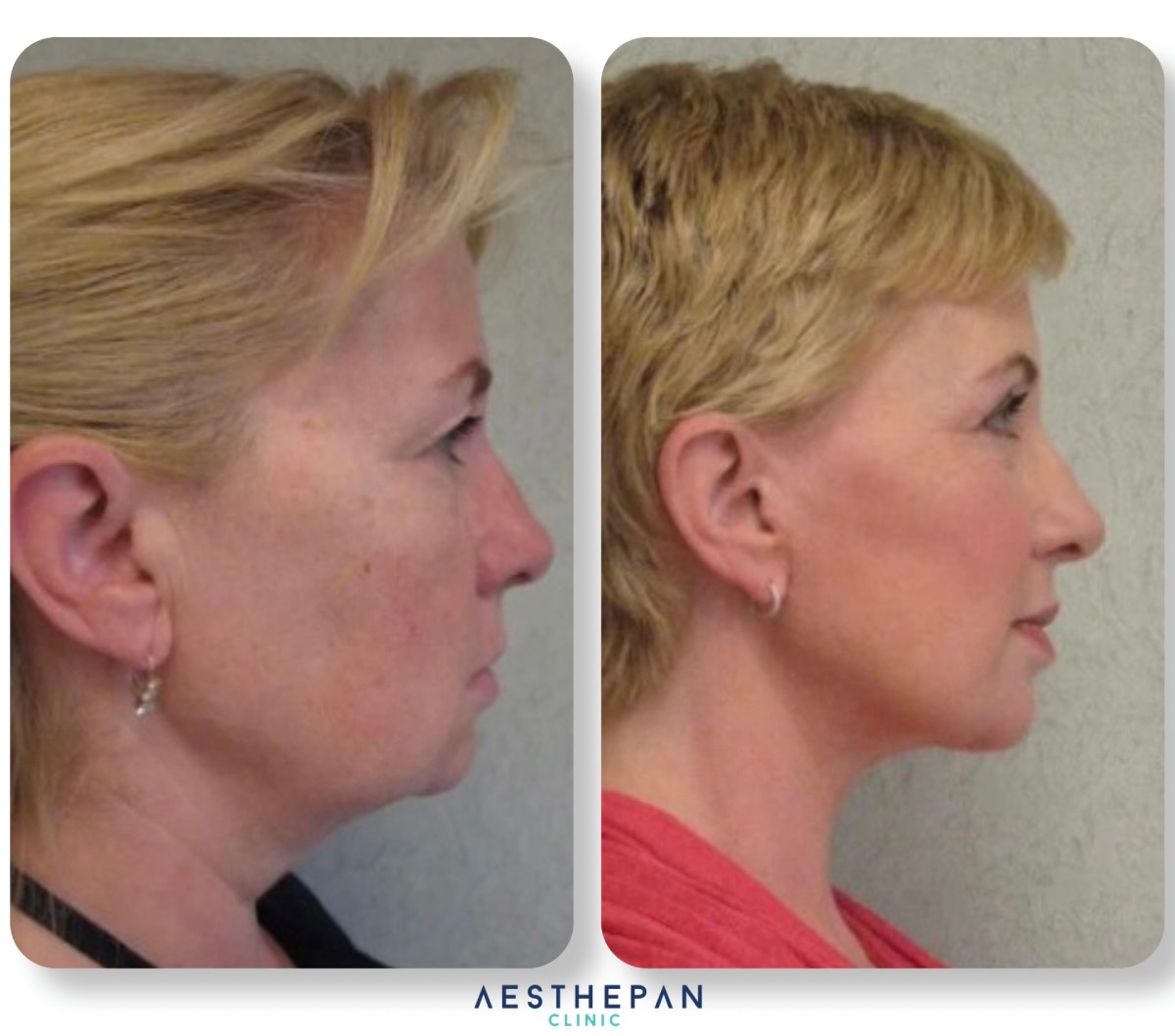
Neck lifting creates a firmer, smoother and more refined appearance to the neck and chin. Even without making any other changes to the face, improving a thick, wrinkled or sagging neck can dramatically improve one’s appearance, helping a patient look years younger or even as though he or she has lost weight. Neck contouring can also help restore balance to facial features by providing a better-defined jawline that frames the rest of the face. Neck lifting isn’t defined by a surgical technique, but rather the patient’s aesthetic goals.
Average Length of Stay in Turkey: 5-6
Night
Anesthesia: Local or General
Anesthesia
Recovery Duration: 5-7 Days
Length of Stay in Hospital: 1 Night
Operation Duration: 1-3 Hours
Who is a good candidate for neck lift surgery?
Some people feel they are not ready for a full facelift because the upper face is still pleasing. However, many patients will note excess wrinkling of the neck skin, a double chin or "turkey wattle" and jowl lines. When the neck area does not match the upper facial appearance, a neck lift may be a good solution.
What’s the difference between a facelift and a neck lift?
A facelift restores a youthful appearance to the upper portion of your face. Facelifts often include components of a neck lift. Neck lift surgery is a less invasive option. It focuses on the area below your chin and above your collarbone.
What is neck lift recovery like?
A neck lift is typically an outpatient procedure, meaning you go home the same day. Neck lift recovery includes swelling and bruising immediately after the procedure. Your doctor may have placed small, temporary tubes to clear blood and other fluid from beneath your skin’s surface. You may also experience muscle tightness in your neck that lasts several months. You will receive incision care and other at-home neck lift recovery instructions, which may include: Avoiding alcohol and aspirin, keeping your head elevated while you sleep, not applying ice to your neck, not lift heavy objects, avoiding turning your head at your neck.
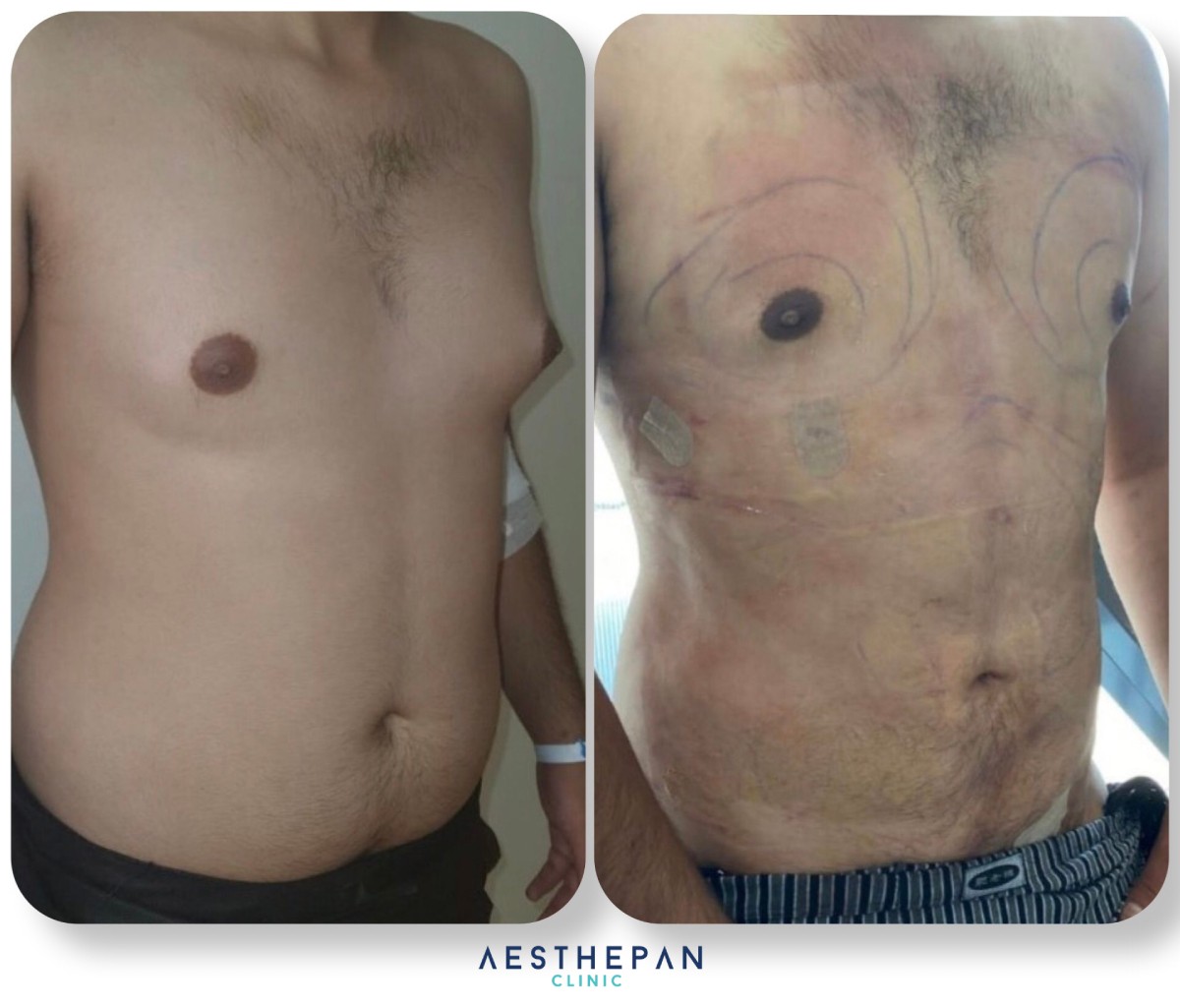
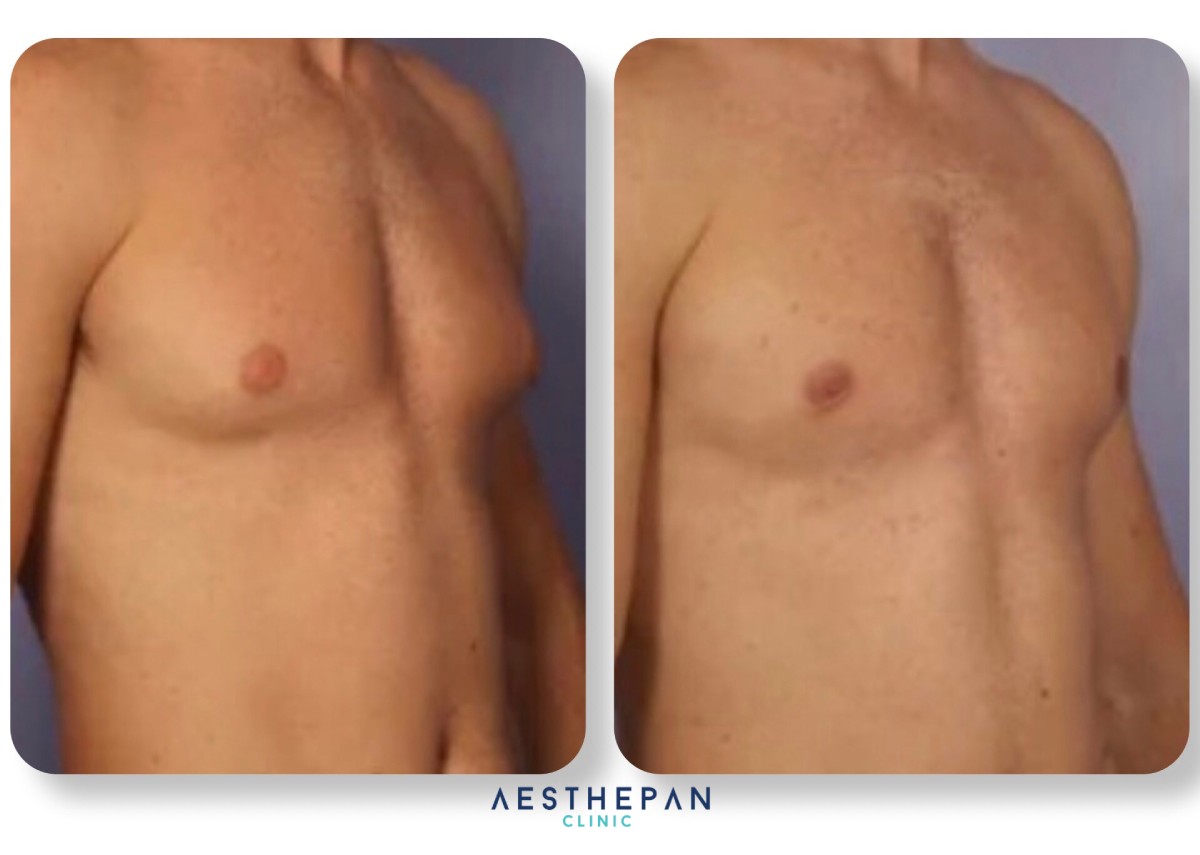
Gynecomastia is a condition of overdeveloped or enlarged breasts in men that can occur at any age. The condition can be the result of hormonal changes, heredity, obesity or the use of certain drugs. Gynecomastia can cause emotional discomfort and impair your self-confidence. Some men may even avoid certain physical activities and intimacy simply to hide their condition. Gynecomastia surgery reduces breast size in men, flattening and enhancing the chest contours. In severe cases of gynecomastia, the weight of excess breast tissue may cause the breasts to sag and stretch the areola (the dark skin surrounding the nipple). In these cases the position and size of the areola can be surgically improved and excess skin may be reduced.
Average Length of Stay in Turkey: 4-5
Night
Anesthesia: General Anesthesia
Recovery Duration: 1-4 Weeks
Length of Stay in Hospital: 1 Night
Operation Duration: 2 Hours
Who Should Consider Gynecomastia Surgery?
Men who experience the following should consider male breast reduction surgery: Embarrassment in removing their shirt in public, to swim, to engage in outdoor sports, or exercise at a gym, unhappiness with their feminine looking breast appearance, psychological or emotional distress related to abnormally sized breasts, seek to enhance their social confidence and masculine chest definition.
What is gynecomastia recovery like?
Initial male breast reduction recovery time takes about 1-2 weeks on average. During this time, patients will want to take it easy, and must avoid strenuous activity to facilitate healing and prevent complications. During the first few weeks, a compression vest will be worn to help the skin retract and prevent fluid accumulation from occurring. Substantial swelling and some bruising are to be expected during this time, and any pain can be controlled with prescribed medication. After the first one or two weeks, patients can begin to resume some normal activities, such as returning to work and light exercise.
Will there be any scarring after the surgery?
All surgery produces some scarring, but the majority of patients can have their chest fullness addressed with only small incisions through which liposuction is performed. In other cases, male breast reduction procedures may include only a very small (1 inch) incision at the bottom of each areola (skin surrounding the nipple). This scar is generally very discreet and should become less prominent over time. For more extensive gynecomastia surgery, additional incisions may be required to tighten the skin, but all scars are minimized as much as possible.
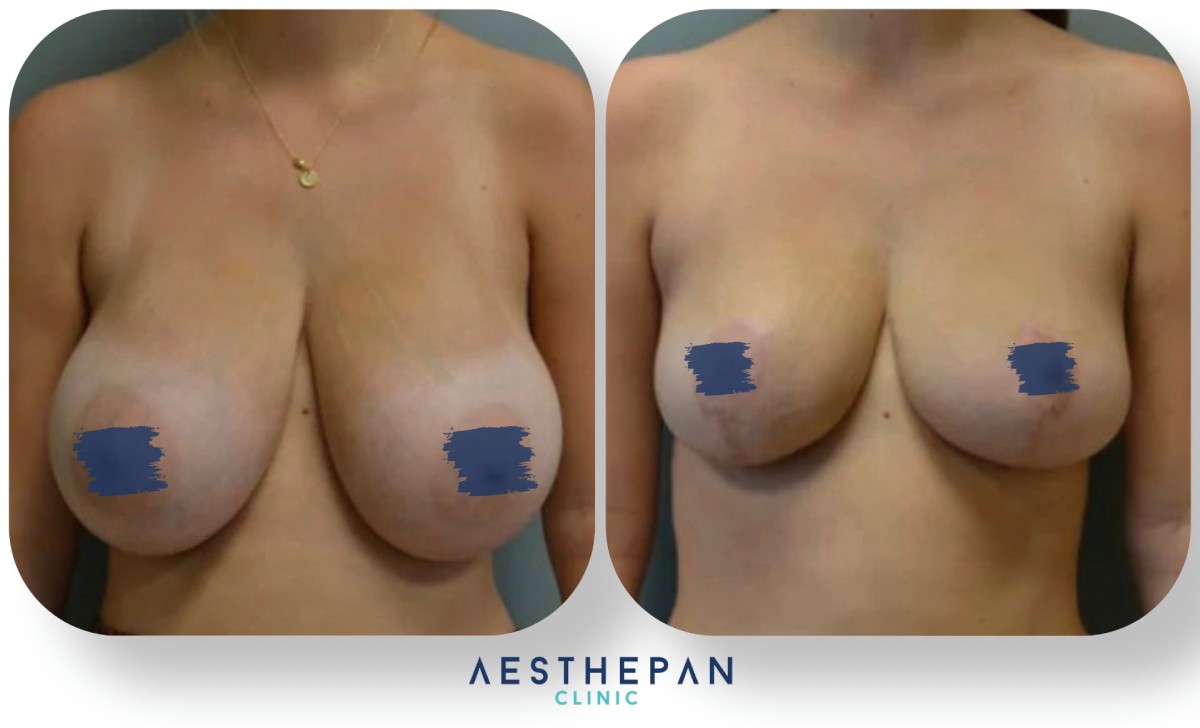
Breasts come in a wide range of shapes and sizes – much like the women who have them. Body positivity aside, embracing what you have naturally is not always easy. Whether it's feeling insecure about their breast shape, not liking the way shirts fit or breasts getting in the way of daily activities, chances are good that there is at least one aspect some women don't like about their chest. There are different types of breast surgeries. The ones that are performed for cosmetic reasons (plastic surgery) are breast augmentation (implants), breast reduction, breast lift and breast reconstruction.
Average Length of Stay in Turkey: 6
Night
Anesthesia: General Anesthesia
Recovery Duration: 10 Days
Length of Stay in Hospital: 1 Night
Operation Duration: 1-3 Hours
How long is the recovery for a breast surgery?
Every woman is different and recovery time can vary. There are various factors such as implant size and type, placement and even the surgical skill of the doctor that can affect recovery time. On average, a full recovery period usually takes about four to six weeks. It's important to refrain from physical activity, lifting heavy objects and overworking yourself during this sensitive time.
What are the different types of breast implants?
Silicone and saline are the two materials used in breast implants. These materials look and feel a little differently in the body so the type of implant you choose will likely come down to personal preference. In addition to different materials, breast implants are also available in a few shapes: round and teardrop. Teardrop implants are very natural looking while round implants tend to look a little less natural.
What is the potential for loss of nipple sensation on one side and not the other?
It is not uncommon to have some sensory changes after breast augmentation, especially if there is a larger implant. Most of the time, sensation does return, especially if placed below the muscle, therefore, one should wait 3-6 months for the sensation to return. However, it is acceptable to have some nipple sensation loss with breast augmentation. The ratio of sensory loss from breast augmentation is 5-10% with the inframammary fold incision having the lowest ratio of nipple sensation loss.
A tummy tuck — also known as abdominoplasty — is a cosmetic surgical procedure to improve the shape and appearance of the abdomen. During a tummy tuck, excess skin and fat are removed from the abdomen. Connective tissue in the abdomen usually is tightened with sutures as well. The remaining skin is then repositioned to create a more toned look. You might choose to have a tummy tuck if you have excess fat or skin around the area of your bellybutton or a weak lower abdominal wall. A tummy tuck can also boost your body image.
Average Length of Stay in Turkey: 7
Night
Anesthesia: General Anesthesia
Recovery Duration: 1 Month
Length of Stay in Hospital: 1 Night
Operation Duration: 2-4 Hours
What is the difference between tummy tuck and liposuction?
Many patients have questions about the difference between a tummy tuck and liposuction. Where a tummy tuck reconstructs the muscles underneath and removes excess skin, liposuction only removes excess fat. Liposuction will not remove or reduce loose, hanging, or excess skin.
How does abdominoplasty improve my figure?
Abdominoplasty is performed when you have slack abdominal muscles and excess fat and skin that give you a protruding abdomen. The procedure removes excess skin and fat and tightens the abdominal muscles. The result is a smoother, tighter belly.
What should I expect after a tummy tuck surgery?
After your tummy tuck, you should plan to take 2 weeks off of work because you will be required to limit your physical activity and stay bent at the waistline for 2 weeks. After 2 weeks, you should be able to stand up straight and return to work. You will have a draining tube for one week and wear a compression garment for 6 weeks following your surgery.